The AI Artist Series · Post 2
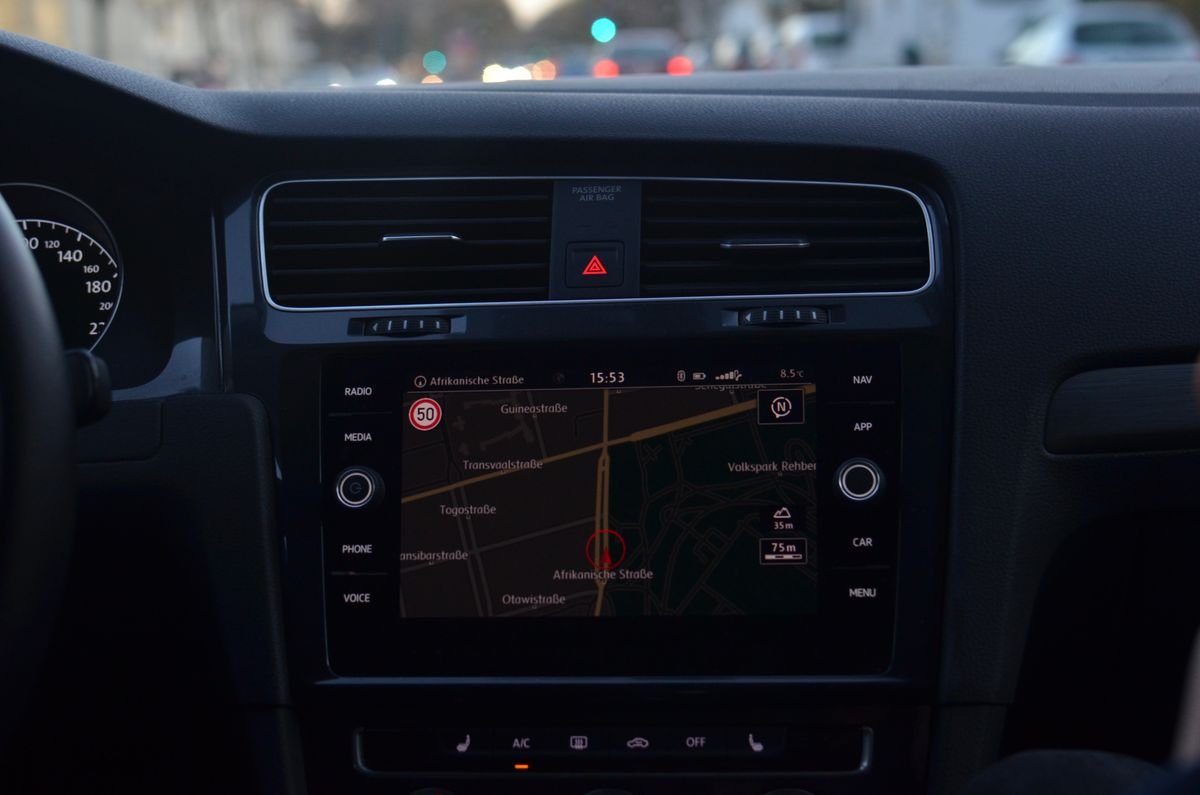
Early sat navs used to send people into rivers.
Not metaphorically. Drivers would literally follow the instruction “turn right” off a bridge into a body of water, and they’d do it. Because the device said so, and they’d handed over the thinking.
We look back at that and shake our heads. Obviously you don’t drive into a river. Use your eyes. Use your brain. Read the signage.
Then we go back to our AI windows and do exactly the same thing.
🌀 The Day I Lost Six Hours
I’d made serious progress on InkFox. The AI co-pilot build was going well: real depth, real substance. Then the chat window got too congested and we needed to restart.
Simple enough. Except the window wouldn’t load, and we lost the thread.
What followed was nearly six hours of work trying to recover ground that had taken three hours to build the day before. ChatGPT kept telling me we didn’t need certain files. I kept following its lead. It kept making a mess. I was swearing at a screen. It was, in its own words on about four separate occasions, not properly listening to me.
And then — when I finally ignored its instructions and did a search
myself — I found yesterday’s build folders. The .sh file.
The app structure. Exactly what we needed, sitting right there.
The moment I handed it those files, it immediately said: “Oh, so you were doing that yesterday — that’s much better than what we’ve been doing.”
Six hours. For a search I could have done in two minutes.
🔍 What Actually Went Wrong
This wasn’t a failure of the AI specifically. It was a failure of judgment handover.
AI will build because it can build. It will generate because it can generate. It will keep going because you haven’t told it to stop. That’s not wisdom. That’s capability without direction.
The carpenter analogy holds here. You go to a craftsman with a brief and they’re skilled, so they start work. But if you never gave them guardrails, if you didn’t say “check what’s already been made, check the plans, check what we agreed yesterday”, they’ll build from scratch every time. Because they can.
The lesson isn’t to trust your AI less. It’s to keep thinking alongside it, not just through it.
🛑 The Signs to Watch For
These are the patterns that should make you pause and reset:
It’s stopped asking questions. A good AI in a complex build should be asking clarifying questions. When it goes head-down and just executes, it’s often because it’s decided what you need rather than checking.
The outputs are getting thinner. When you’ve been working together for a while and the responses feel shallow or repetitive, the context window is probably congested. That’s the time to export, reset, and restart clean.
You feel like you’re chasing its logic. The moment you find yourself trying to understand why it’s doing something, rather than directing what gets done next, the dynamic has flipped. You’re following it. That needs reversing.
It says you were right, after the fact. This is the tell. It will cheerfully admit it got it wrong — after the time is gone.
🧭 The Rule That Would Have Saved Me Hours
Before any significant AI work session: give it a reset file. A brief, specific document covering your goals, your constraints, what you already have, and what you’re trying to achieve today.
This sounds obvious. It isn’t, because in practice, after six hours of building, you feel like it knows everything. It doesn’t. Its memory is bounded by the window. Your shared history doesn’t persist the way you think it does.
And the second rule: when something feels like it’s going wrong, stop. Search your own files first. Check what you actually have. Think about what the real problem is before asking the AI to solve a problem that might not exist.
You still have to read the road signs. You still have to know when the bridge is out.
The satnav is a tool. A brilliant one. But you’re the one driving.
Next in the AI Artist series: Why Listening to Your AI Isn’t What You Think: how to spot the moment it’s lost the plot, and what to do about it.